Almost every modern GPS watch features a built-in heart rate sensor, is there still a reason to wear a traditional chest strap? Here is a quick breakdown of how both technologies work, their pros and cons, and which one you should trust with your training data.
Wrist Optical Sensors: The Convenient Choice
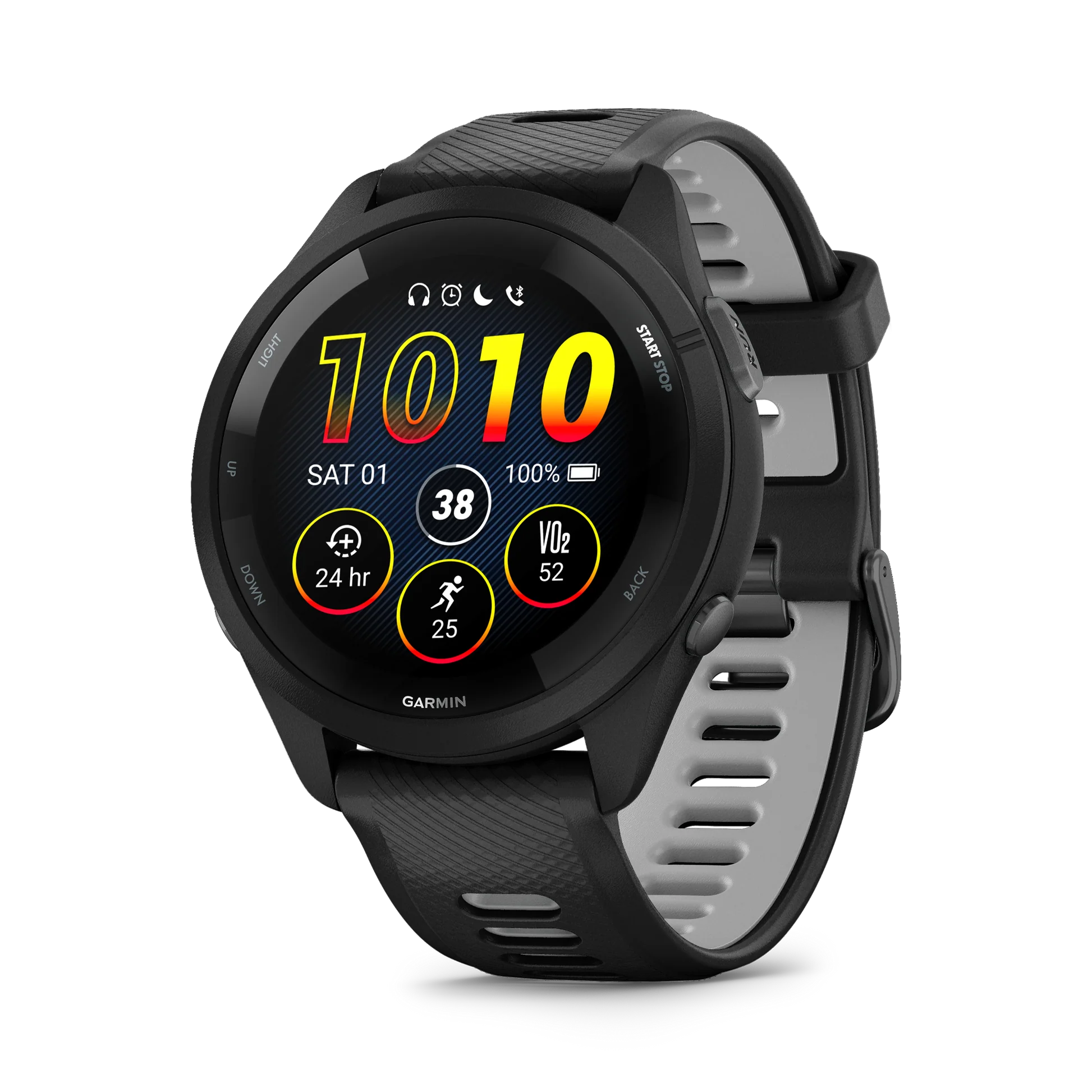
Wrist-based monitors use a technology called Photoplethysmography (PPG). Simply put, they shine green LED lights into your skin and measure the light that bounces back to detect changes in blood volume as your heart pumps.
- The Pros: Convenience is king. You don't have to remember an extra piece of gear, wet any contact pads, or deal with chafing from a tight strap. You just put on your watch and go.
- The Cons: Optical sensors are prone to a lag in responsiveness. They can struggle to keep up with rapid changes in heart rate during interval training. Additionally, according to studies published by the National Institutes of Health (NIH), optical sensors can sometimes be less accurate for athletes with darker skin tones, thick arm hair, or heavy wrist tattoos.
Chest Strap Monitors: The Gold Standard
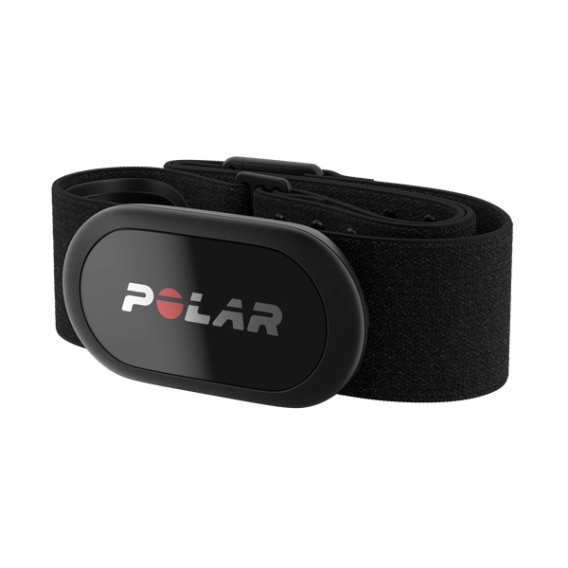
Traditional chest straps use Electrocardiography (ECG). Instead of looking at blood flow, they measure the actual electrical signals your heart generates with every single beat.
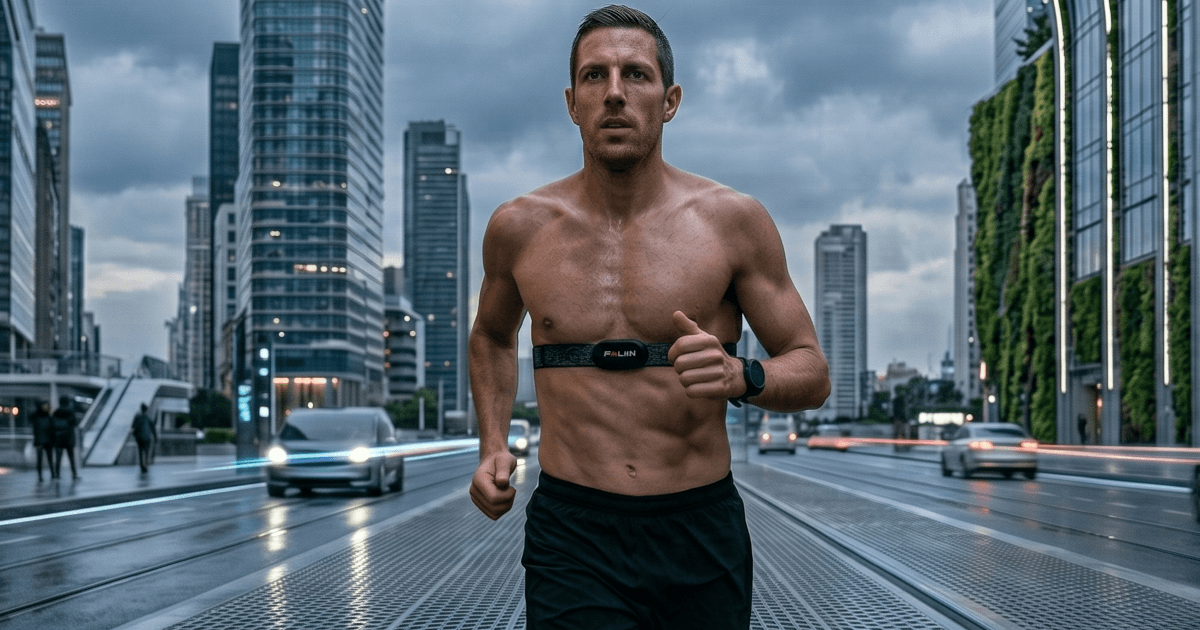
- The Pros: Unmatched accuracy and instant responsiveness. Because they measure electrical signals directly near the heart, there is virtually zero lag. If you are doing 30-second sprint intervals, a chest strap will capture your exact peak heart rate perfectly. This is why authoritative sports technology reviewers like DC Rainmaker still use chest straps as the baseline "gold standard" to test all other wearable devices.
- The Cons: They require moisture (sweat or water) on the contact pads to get a good reading, they are one more thing to wash after a workout, and some athletes find them restrictive around the chest on long runs.
The Verdict: Which Should You Use?
If you are doing steady-state cardio, casual recovery runs, or just want a general idea of your daily exertion, a modern wrist optical sensor is more than sufficient.
However, if you are performing rigorous interval training, using heart rate to pace a race, or simply refuse to compromise on data accuracy, a chest strap is the clear winner.
Whichever you choose, keep chasing those hard-earned PRs.